Well .,it was pretty chilly at 6.00 when I started to empty the 3 moths traps,no Geckos or Oriental Hornets thank goodness and surprisingly a good number of micro moths.
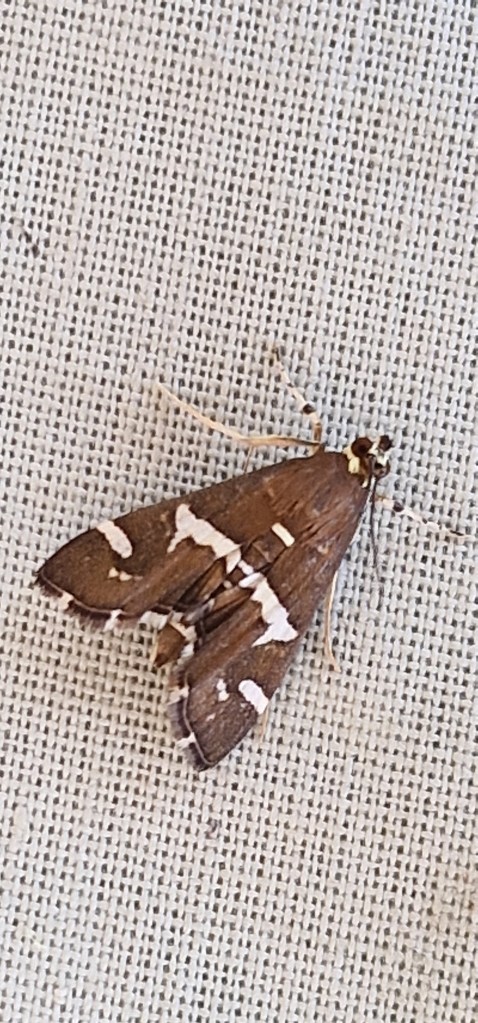
Beet Webworm Spoladea recurvalis.Never trap many of these and then only 1 in a session.A well marked Crambid moth
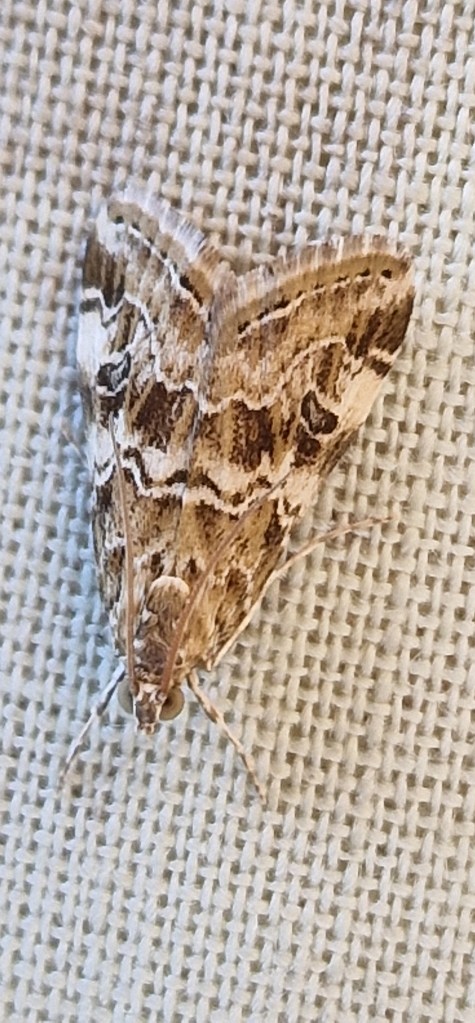
Cabbage Webworm Hellula undalis.A beautifully marked Crambid moth,much commoner and well past the end of its flight period
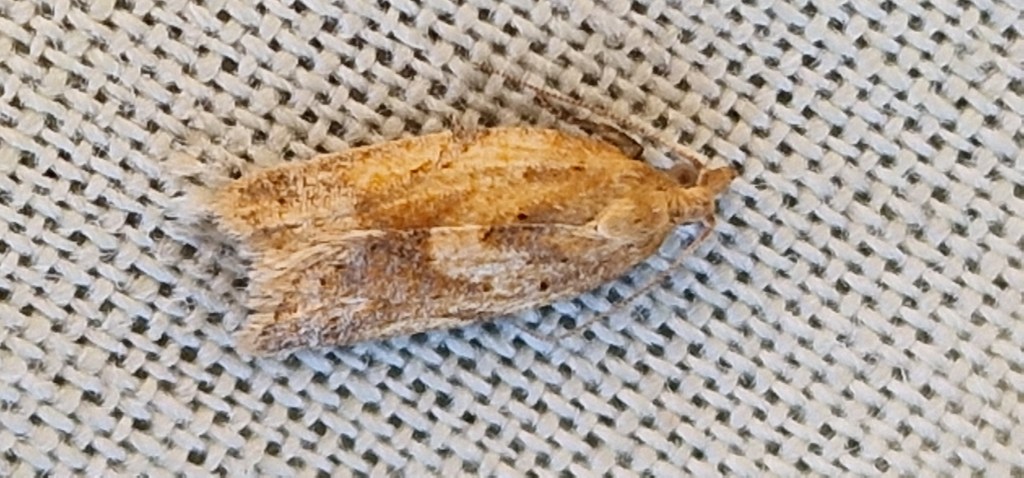
I trapped 6 of this species and all were differently marked and tricky to sort out.Clepsis coriacanus.A good number for this micro moth.
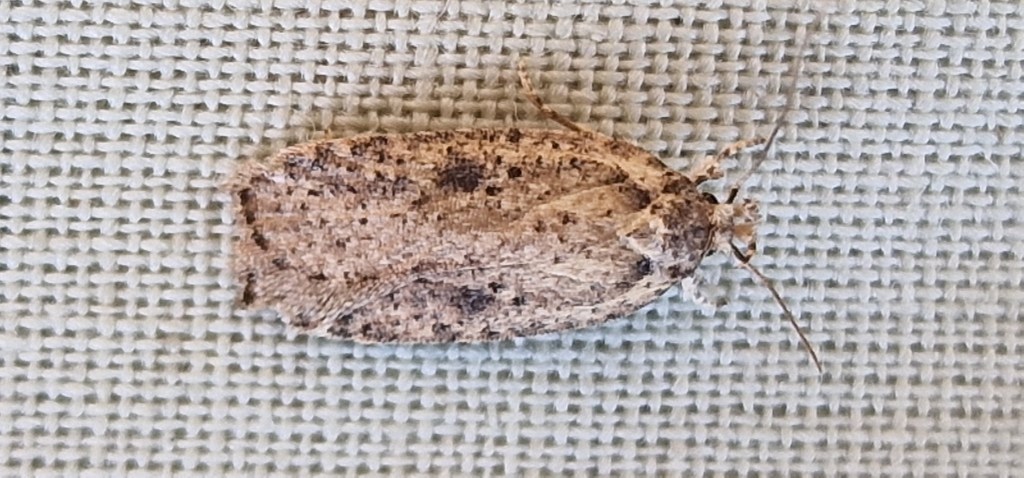
Coastal Flat-body Agonopterix yeatiana.A member of the Depressariidae family and yet another micro moth.Trapped just a single.Some of the English names are amazing!!
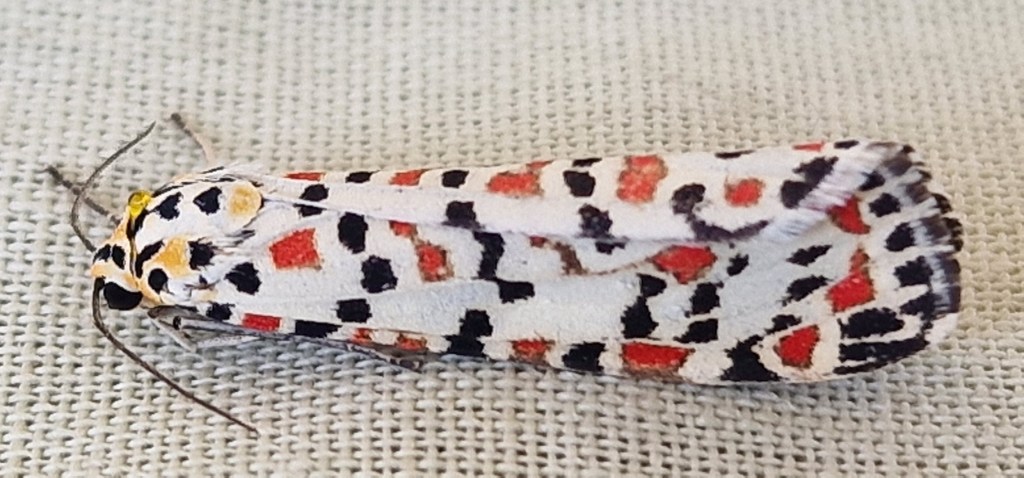
And who said moths were boring dull brown creatures.This is 1 of 3 Crimson Speckled Utetheisa pulchella that I trapped on the 10th.It has roughly 2 flight periods June to July and September to October.In the summer period I was trapping more..Looks even more spectacular when it flies off,the hind wings are pure white with a broad trailing edge.They are surprisingly difficult to find in dead vegetation with their heads pointing to the sky.
Once again the commonest moth of the night was the Dark Mottled Willow,a total of 9 females.
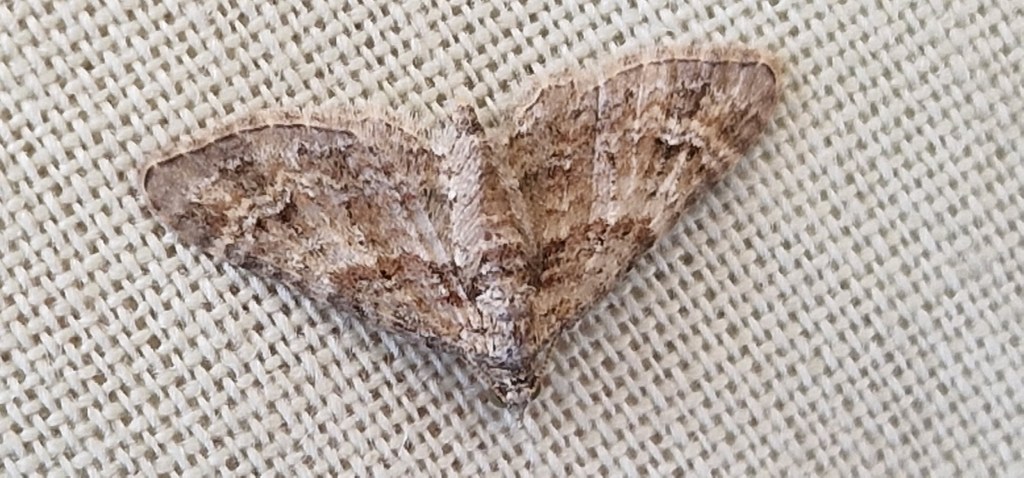
Double-striped Pug Gymnoscelis rufifasciata .Trapped just 1,their main flight period has long gone
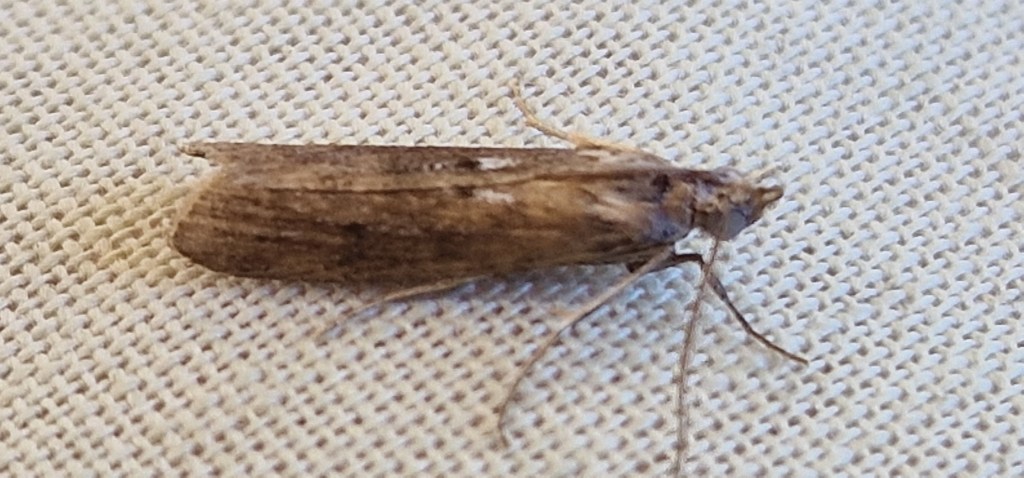
This is Epischnia illotella ,a tricky moth to ID with just a few markings to go on
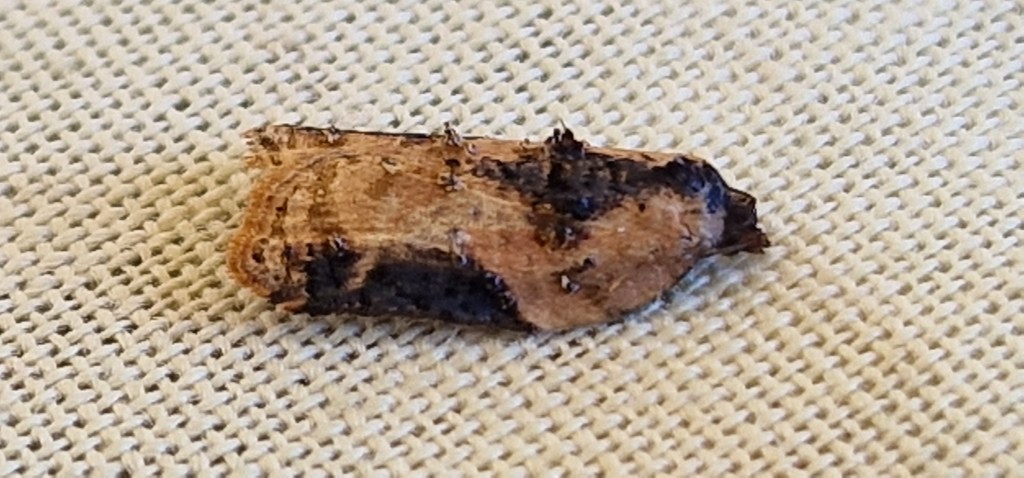
A cracking little Tortrix moth,which shows many variations in appearance.Called Garden Rose Tortrix Acleris variegana
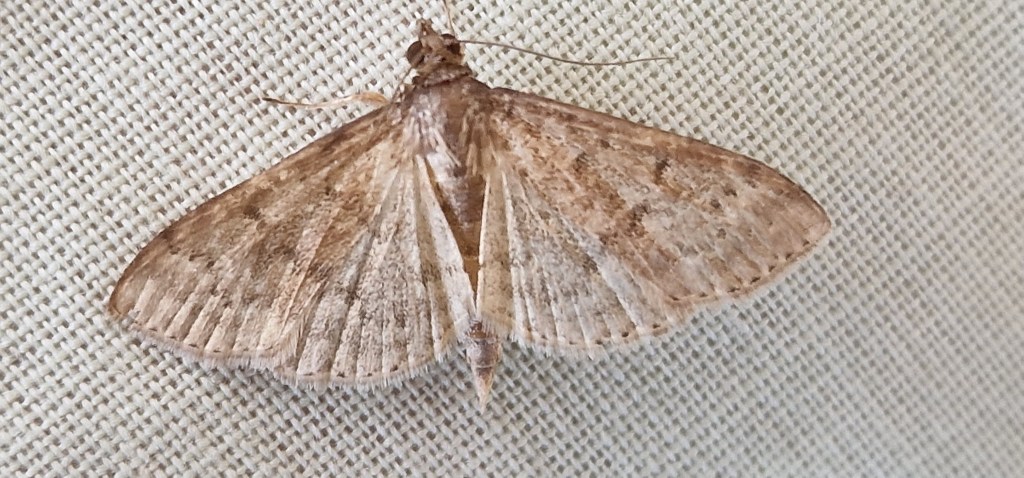
Grass Webworm Herpetogramma licarsisalis.Have been trapping good numbers this Autumn,the larval foodplants are members of the grass family so its not surprising that they are common.
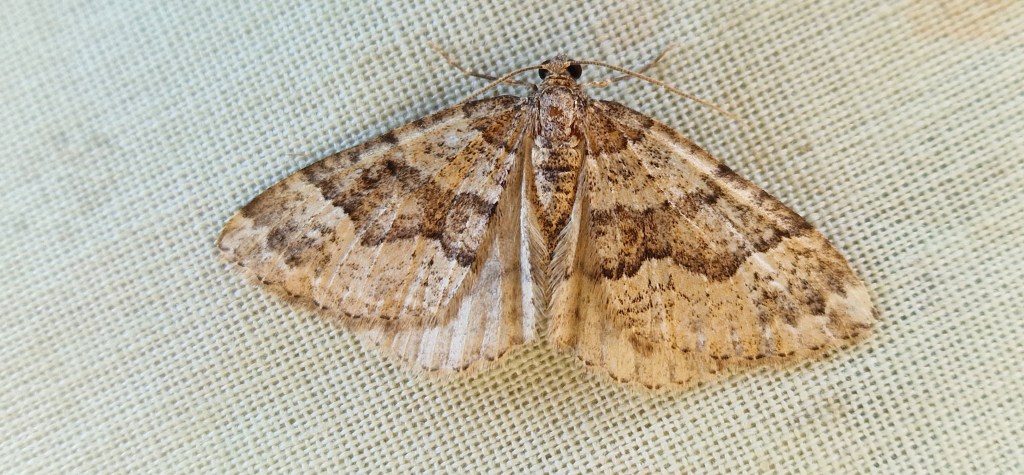
Mallow Moth Larentia malvata .Very different from the 1 I trapped the other night and had me stumped for some time!!These show amazing variations in colour and intensity but the patterns on the wing are generally the same ,but unfortunately this was showing signs of wear and tear.
Trapped another 2 examples of Mniotype occidentalis,a regular in small numbers recently.
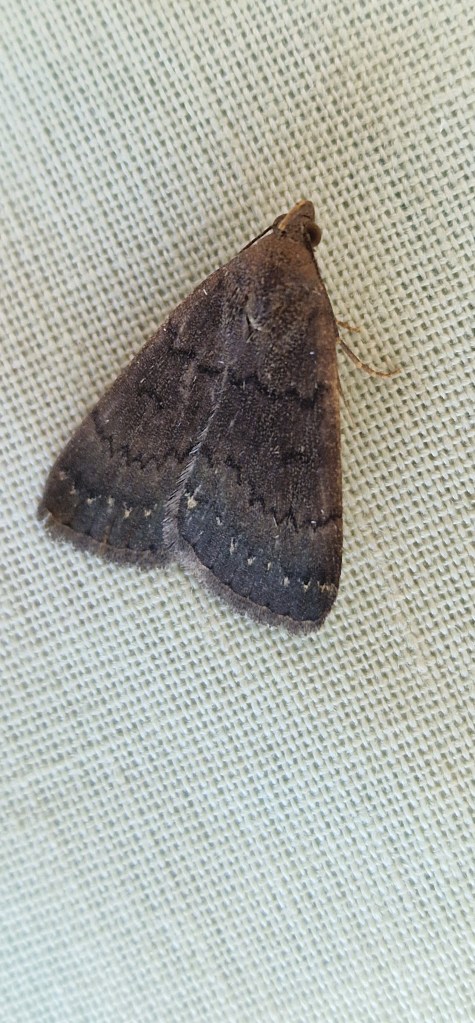
This is the very dark Nodaria nodosalis which seemingly has 2 narrow flight periods,June and September.But it is now the 2nd.week in November which shows how different and even more prolonged the flight periods of some moth species down here can be.It looks a bit dull but the markings make it no other species.
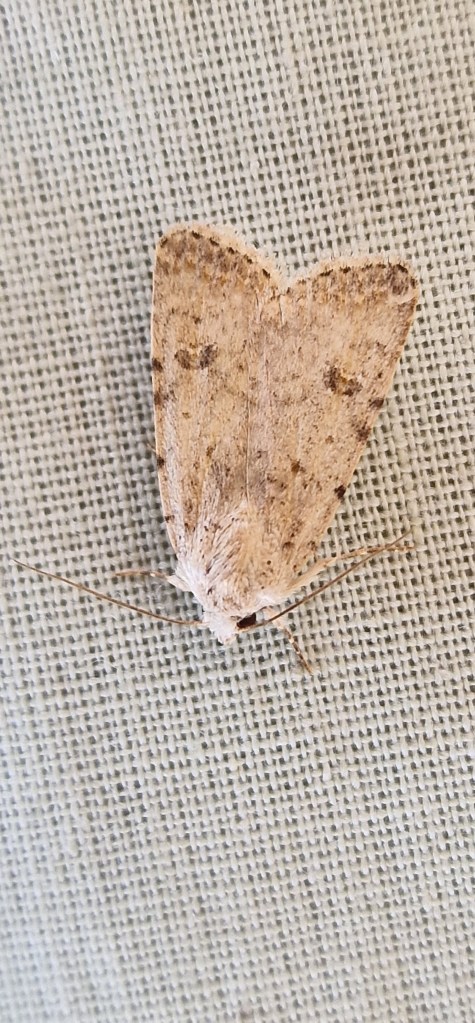
Pale Mottled Willow Caradrina clavipalpis.A common moth here and I only seem to catch the females and the same goes for quite a number of other species,and vice versa for others.Probably some sexes just are not attracted to the light!!This example is well past its sell by date.Normally has much richer brown markings
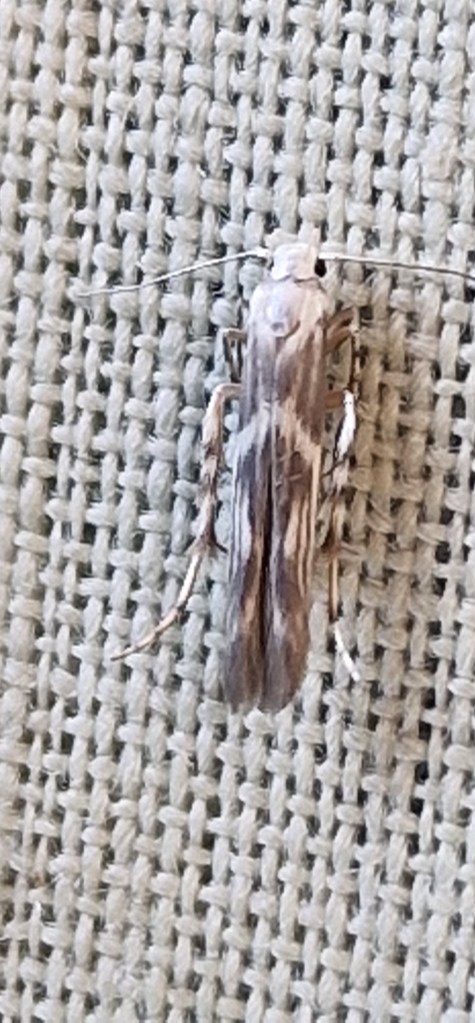
And this tiny micro is my star moth of the night.I trapped a record 7.They only have a wingspan of 11mm.so are around just 5 mm.in length.,and with their pale coloration,which gives great camoflauge ,they can be so easily missed sitting stock still in an egg box.
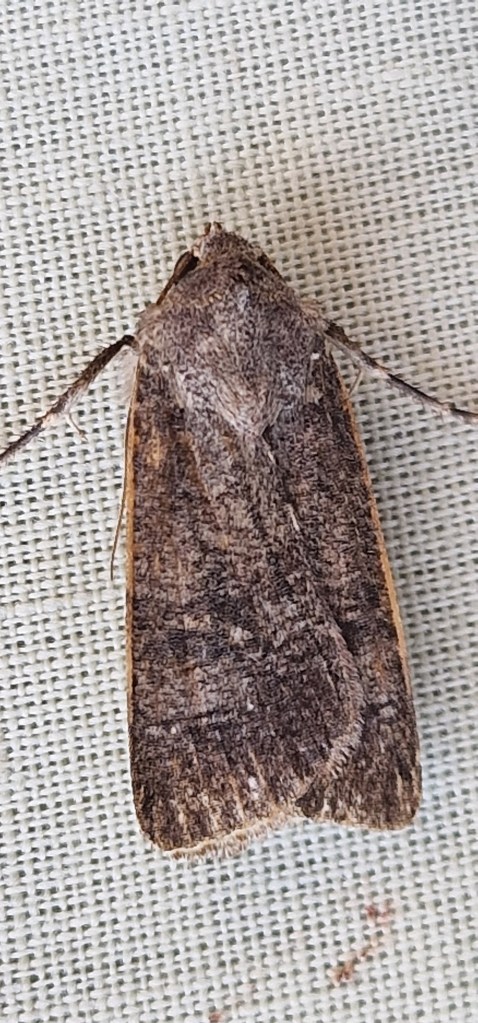
And on the other end of the scale this monster is a female Pearly Underwing Peridroma saucia,which has a wingspan between 45 to 56 mm.
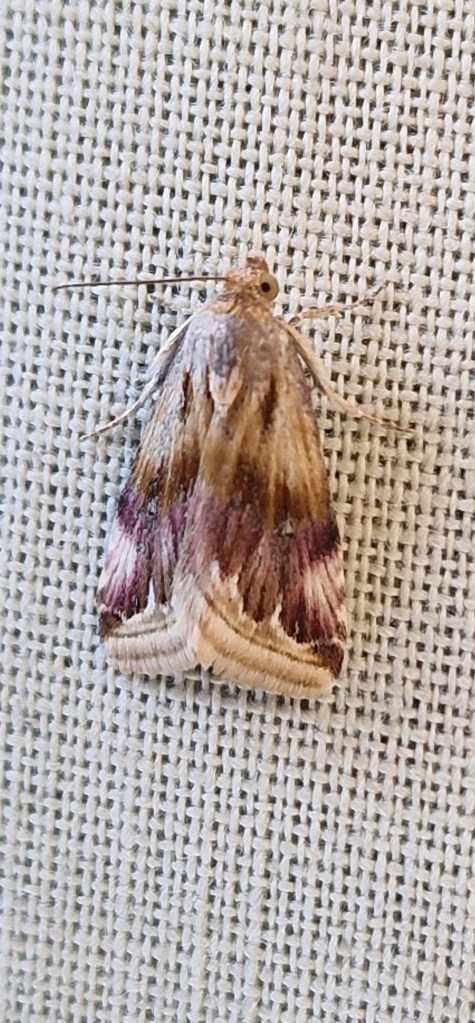
And what a piece of artwork this micro moth portrays.Purple Marbled Eublemma ostrina
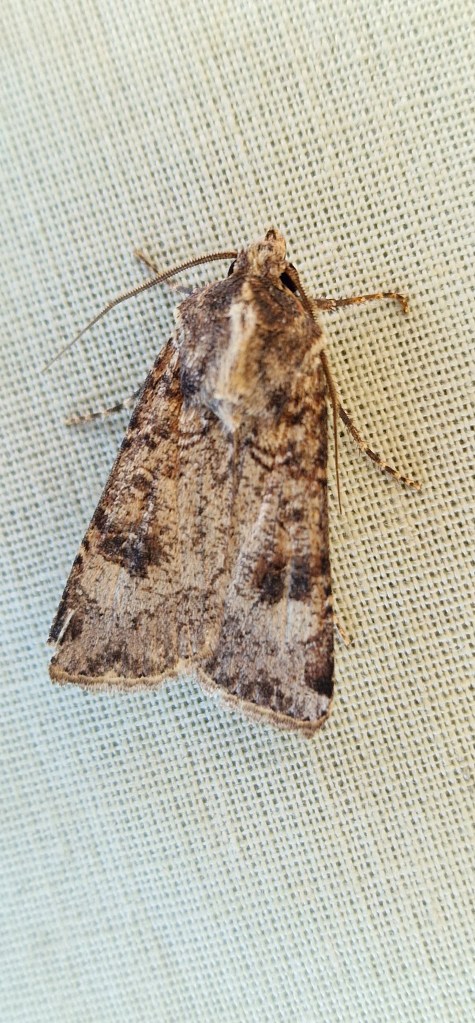
And finally a single male Turnip Moth Agrotis segetum.A dull by name and dull by nature moth which is extremly variable despite the limited coloration!!
 Doc.B's Nature Blog
Leave a comment