Dont ask me how but completely missed posting the moths of Thursday 13th.Trapped 38 moths comprising 24 Species,a pretty reasonable catch for this time of year.As our winter draws in we can expect less and less as a lot of moths are past their flight periods.
It was a good mix of species and nothing prominent,except that yet another record for the tiny palumbina gurinii,a total of 8.
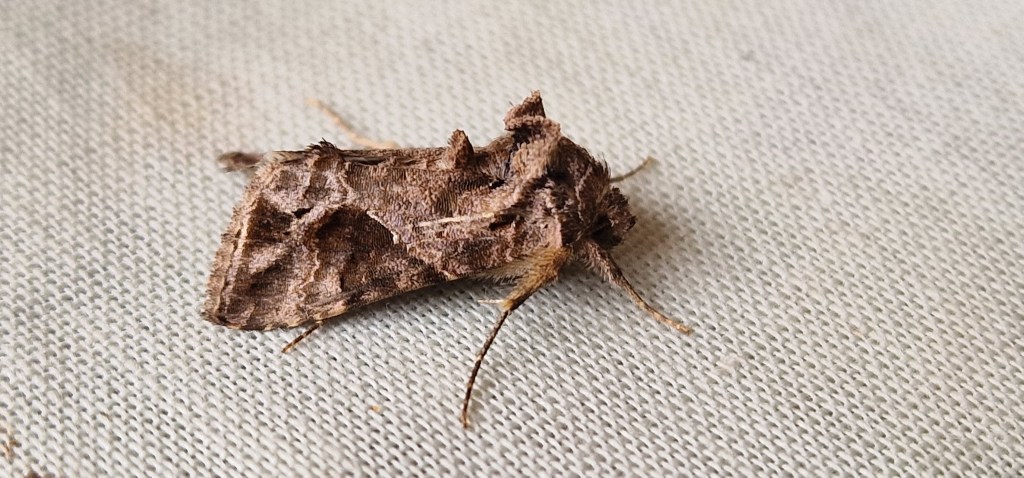
Accent Gem Ctenoplusia accentifera 1 Female Moth.An amazing looking moth and dont catch too many here.
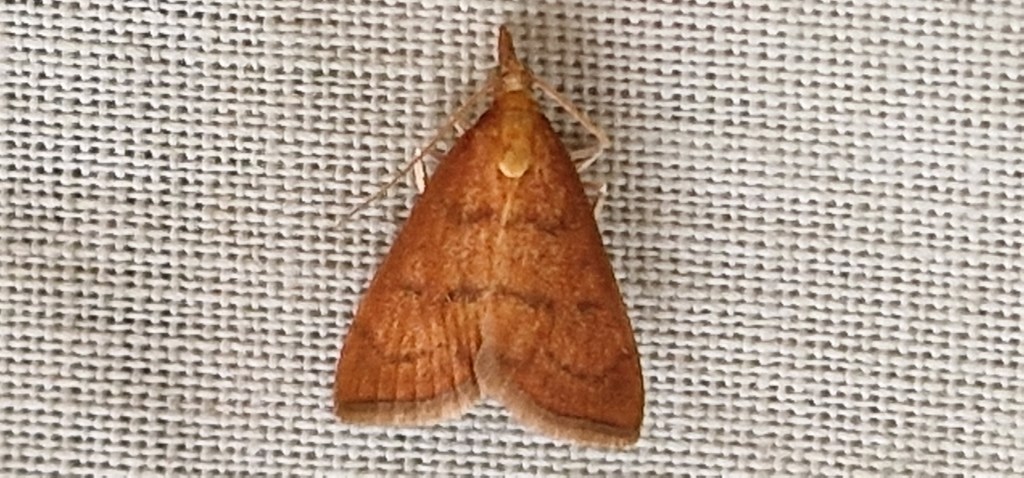
Anania testacealis 1 Female Moth.Another quite rare moth for me and never seem to catch more than 1 at a session!!
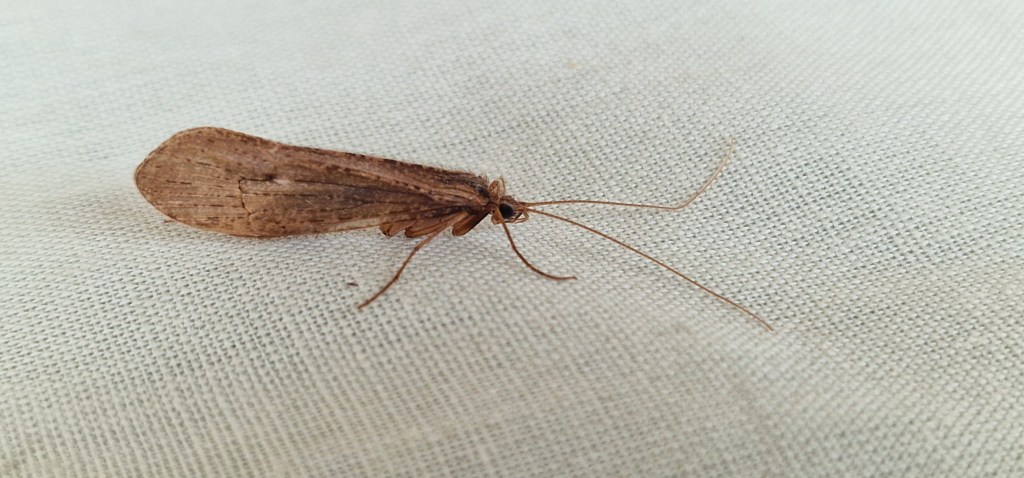
Not a moth but a typical moth trap invader,attracted to the lights.Pretty impossible to ID without killing and dissecting,which I am not into to.Just has to go down as a Brown Caddisfly species.
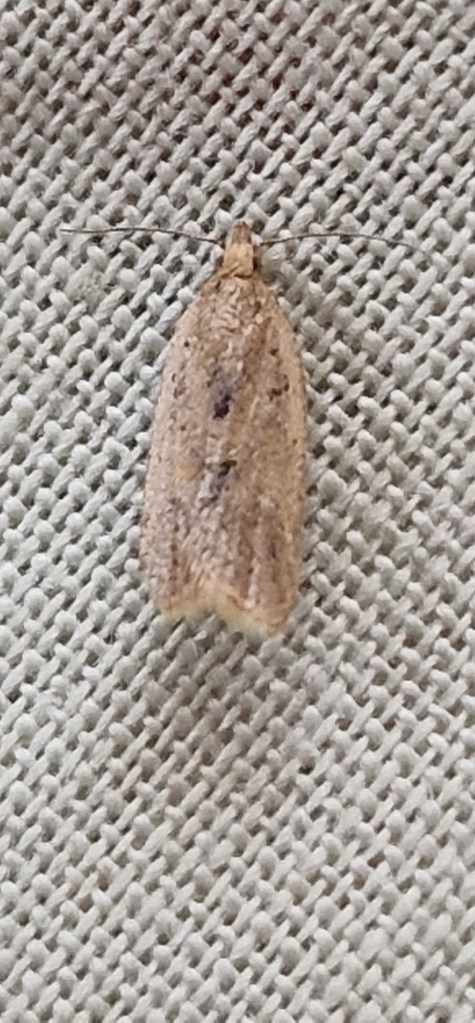
Clepsis coriacanus.Am trapping several of this species at the mo,and thay are very variable and can be tricky to work them out.
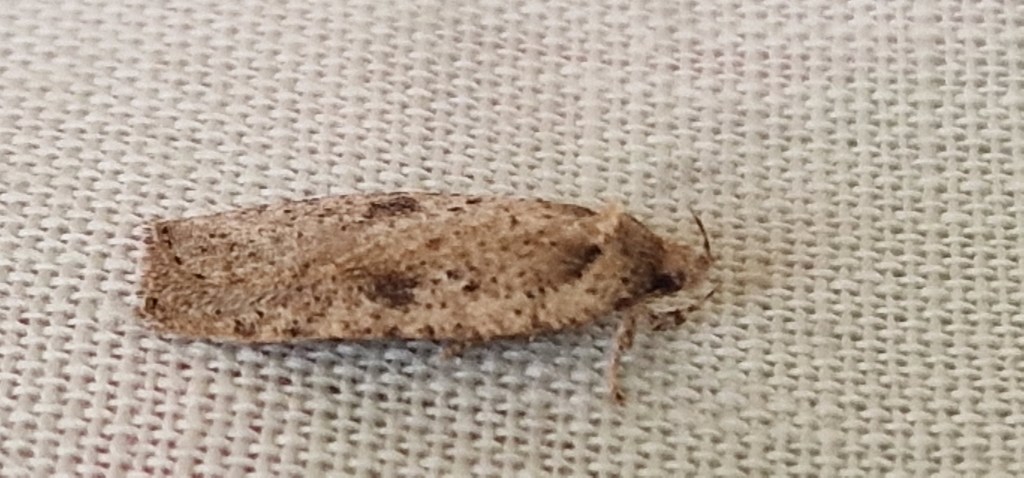
Coastal Flat-body Agonopterix yeatiana 1 Moth .Another tricky moth to ID as there are a few species with very similar markings
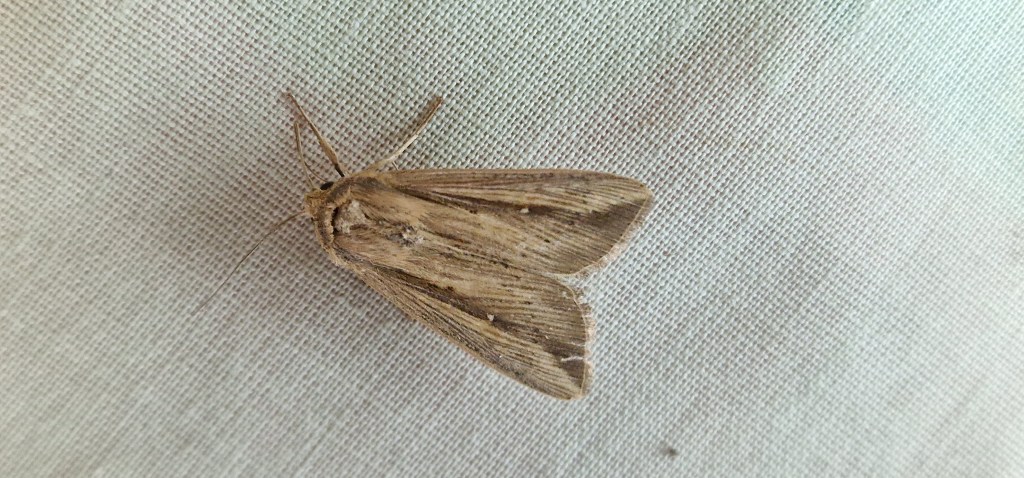
Cosmopolitan Leucania loreyi 1 Female Moth. A migrant species that was trapped the same night in UK..As I have said before the UK lepidopterists are constantly checking weather conditions ,hoping to catch some of these typical migrants
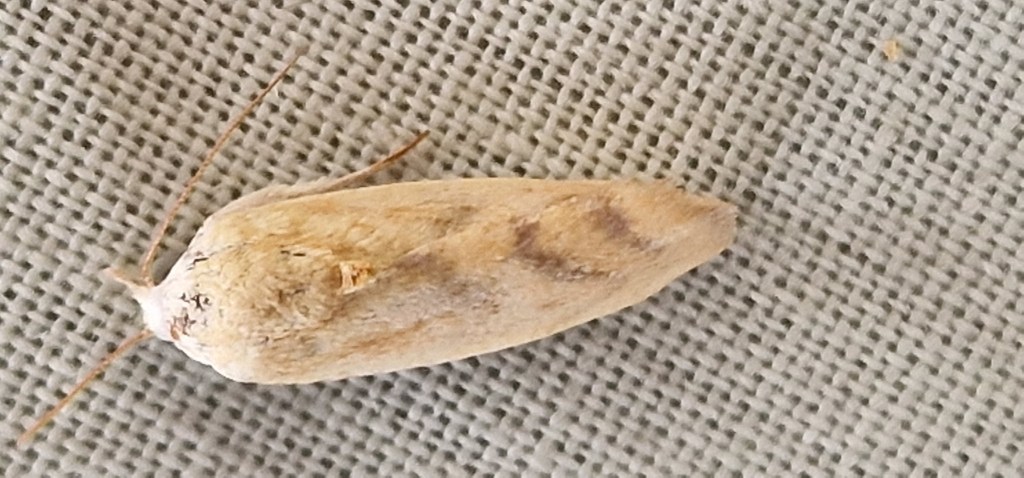
Egyptian Stemborer Earias insulana 1 Moth.This has several English names and seems to now be at the end of its flight period here.This example is pretty washed out,normally has a good green coloration
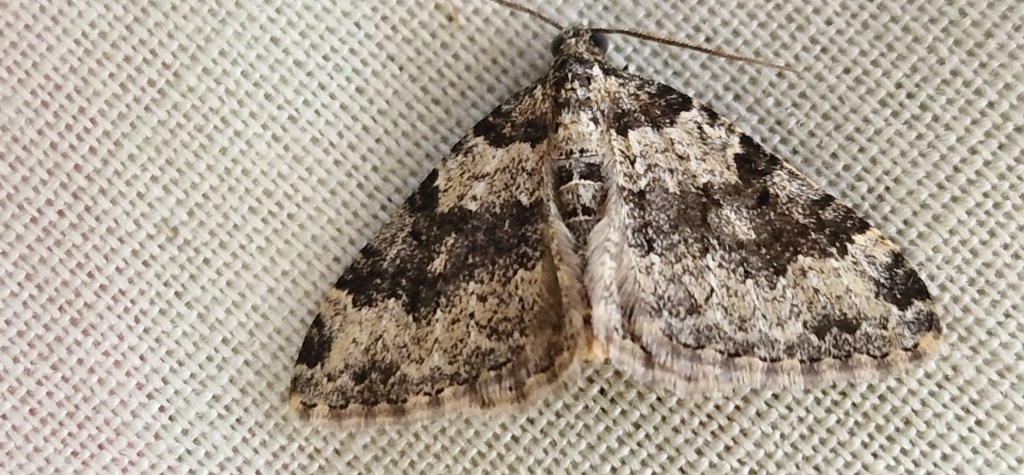
Garden Carpet Xanthorhoe fluctuata 1 Female.A well marked individual.
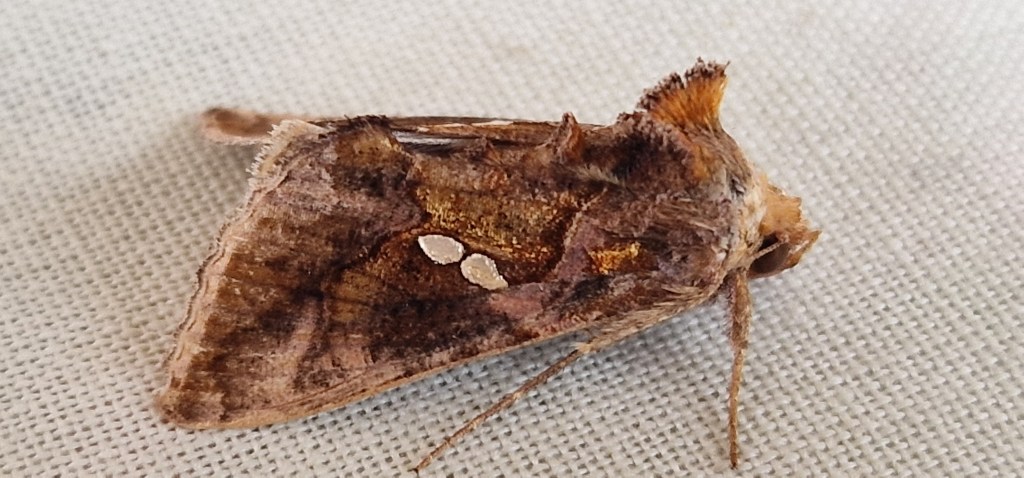
Golden Twin-spot Chrysodeixis chalcites 1 Female.A cracking looking individual with that orange crown
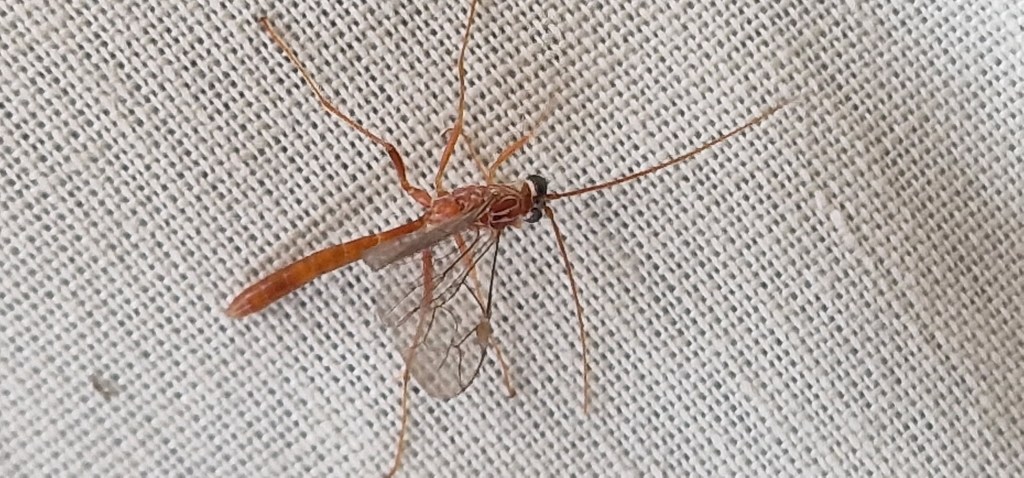
Now this is an interesting looking insect and I trap plenty of these.Its an Ichneumon wasp species,not possible to put both genus and species to them by just a photograph.Fascinating creatures and def.in the traps after the moths.Not a wasp at all so doesnt normally sting except for the larger orange species such as this one.It is a parasite and the female has a long pointed ovipositor which penetrates the abdomen of the moth.The eggs are then deposited inside the moth which then develop and eat the moth from the inside
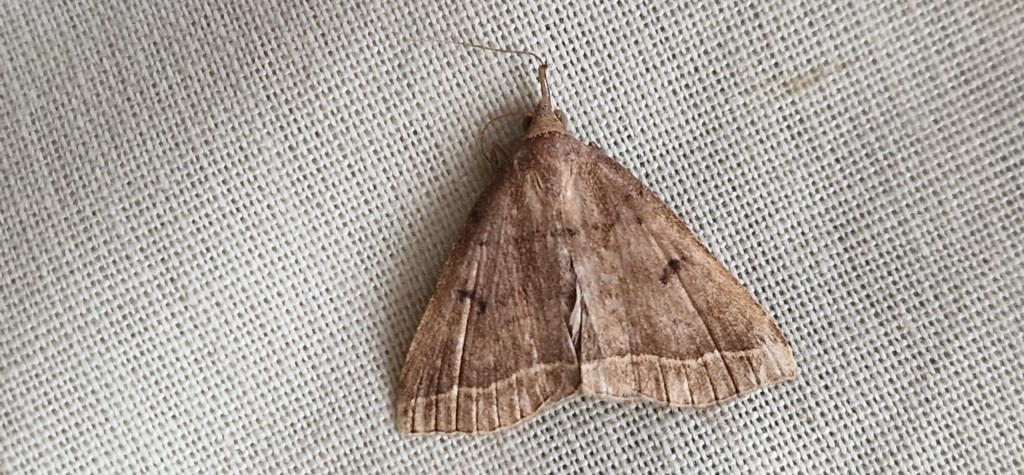
Plumed Fan-foot Pechipogo plumigeralis 1 Female Moth. This is the 1st.example that I have trapped this year
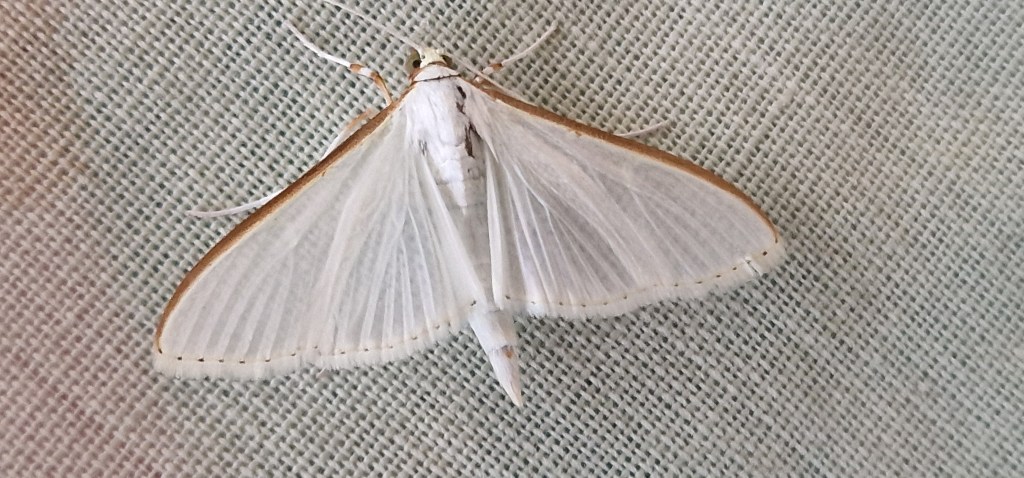
Olive-tree Pearl Palpita vitrealis .A very common moth but a migrant that is trapped in UK
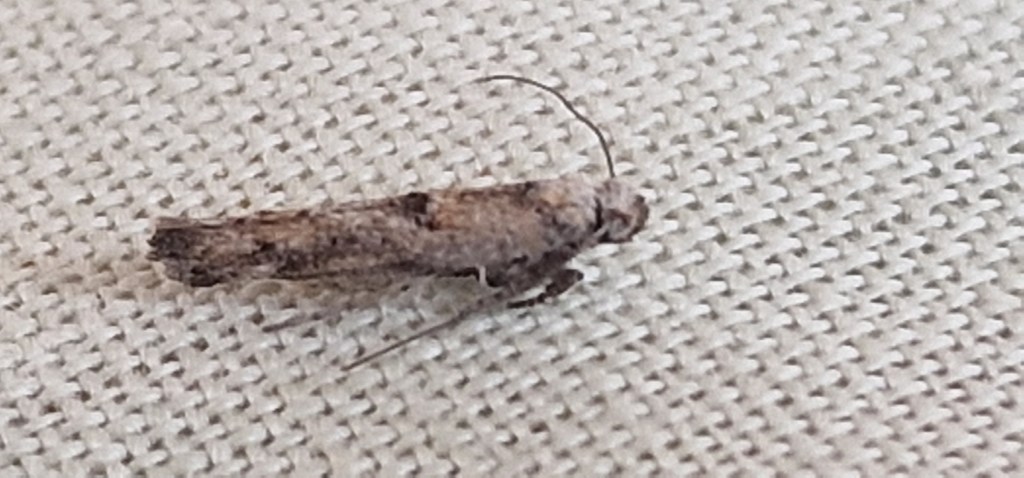
Zelleria oleastrella A micro moth that is quite common.The caterpillars of this species feed on Olive trees of which there are plenty in this area.
 Doc.B's Nature Blog
Leave a comment